
Five electrochemical systems built on a single MEA technology — bridging the production and use of hydrogen.
A fluorinated cation exchange membrane and IrO₂ catalyst electrolyze water to produce high-purity green hydrogen. With fast load response, it connects directly to the intermittent power of solar and wind — a core technology for the renewable-energy era.
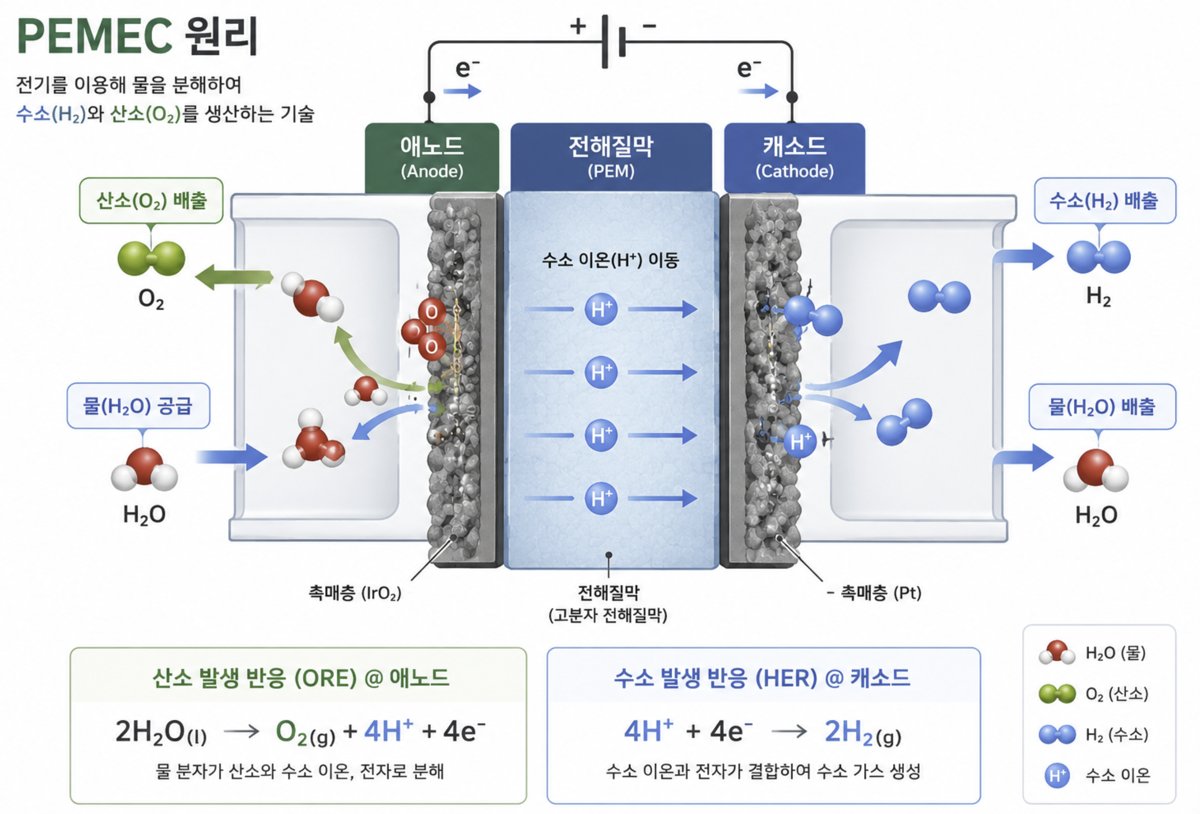
| Anode catalyst | IrO₂ 1.0 mg/cm² |
|---|---|
| Cathode catalyst | Pt/C 0.45 mg/cm² |
| Operating conditions | 80 ℃ · ambient pressure |
| Hydrogen output | 15.2 mL/min·cm² |
| Performance | 2.0 A/cm² @ 1.64 V (3.3 W/cm²) |
| Durability | 1,000 hours · degradation rate 0.96%/1,000h |
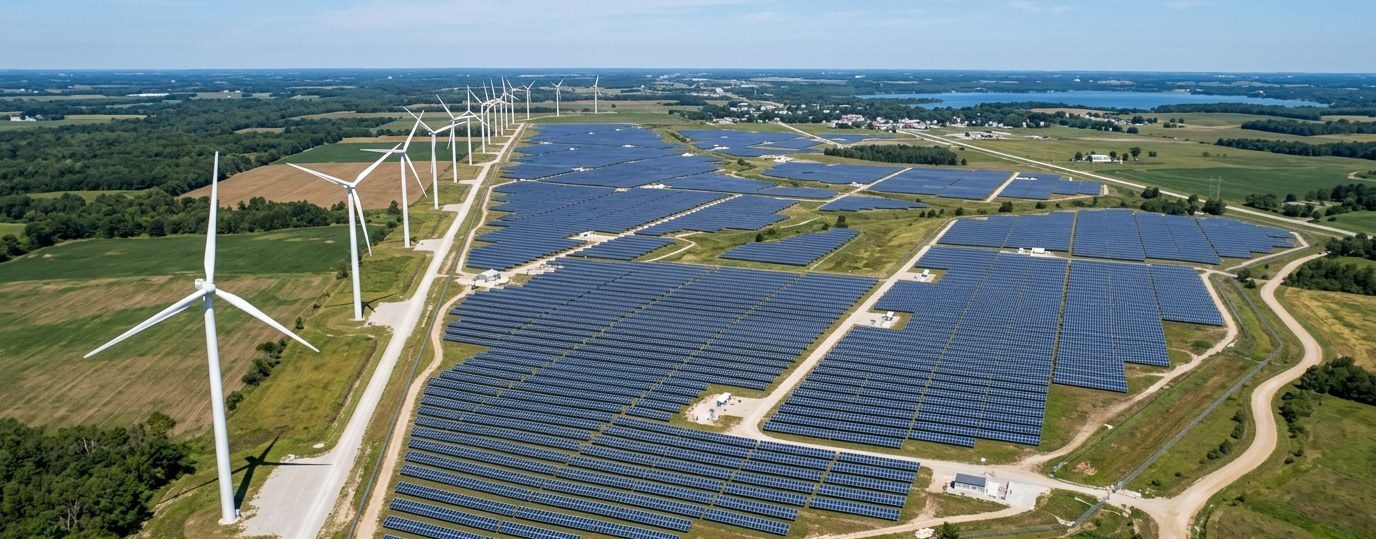
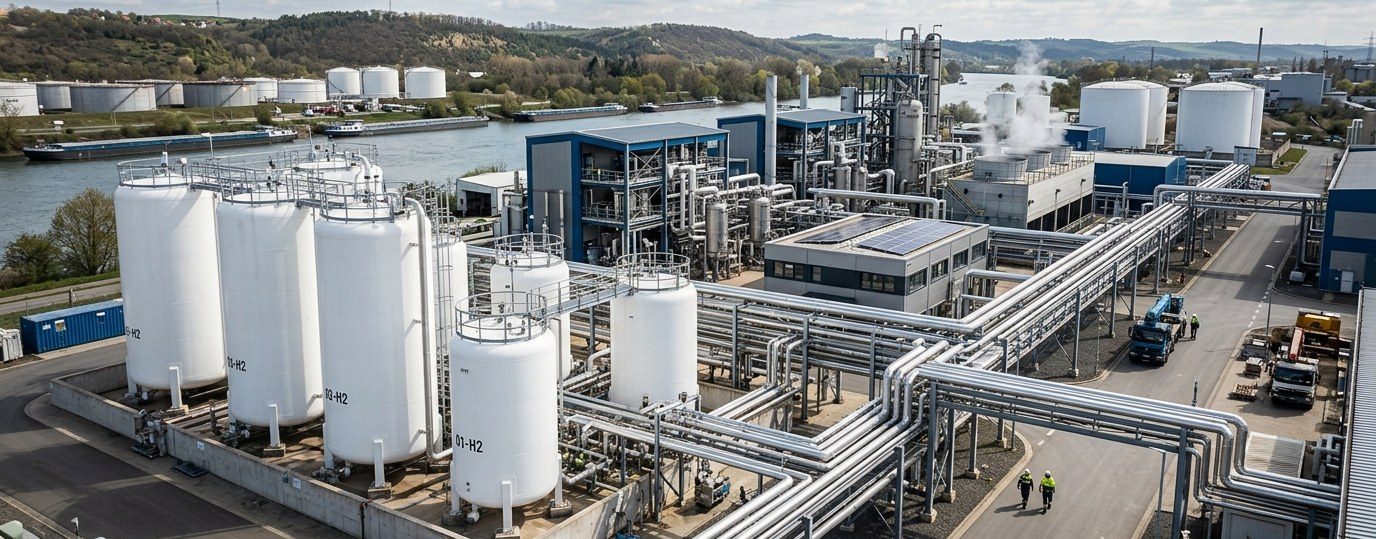
A hydrocarbon-based anion exchange membrane and Ni-Fe non-precious-metal catalyst produce green hydrogen. Combining the economics of alkaline with the performance of PEM — free of iridium and platinum — this next-generation electrolysis is the key to lowering the cost of hydrogen.
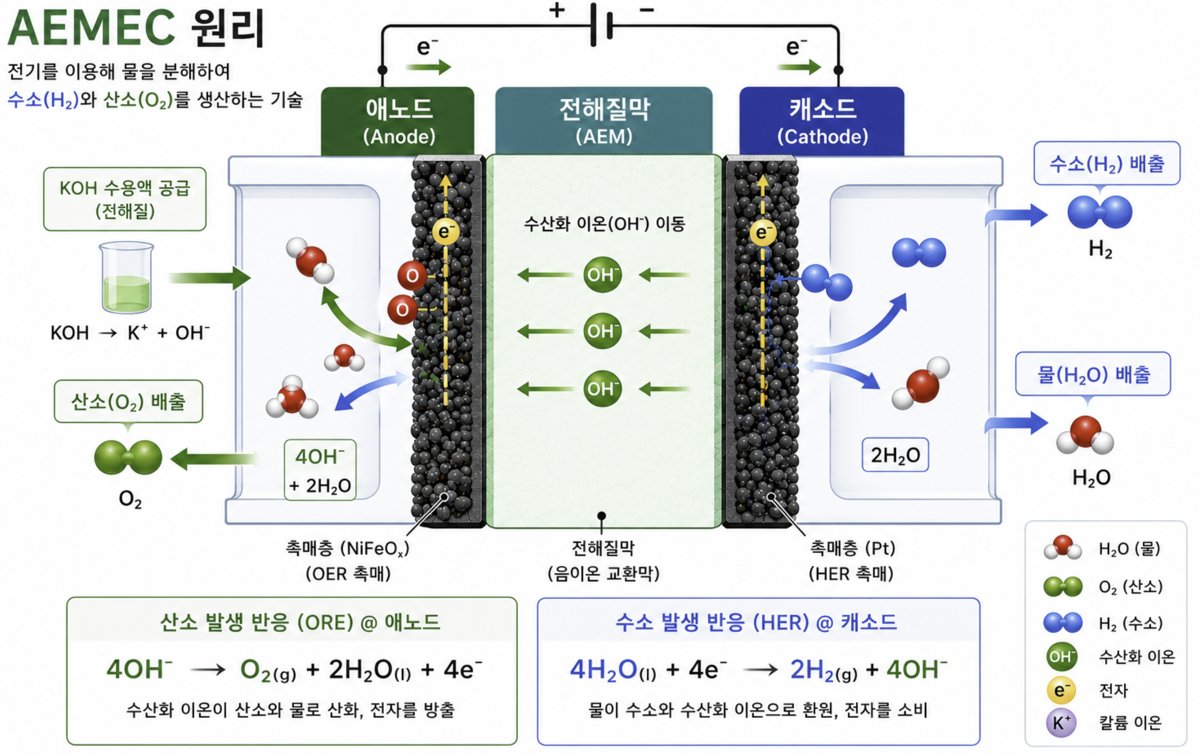
| Anode catalyst | Ni-Fe 2.0 mg/cm² (non-precious metal) |
|---|---|
| Cathode catalyst | Pt/C 0.45 mg/cm² |
| Operating conditions | 1 M KOH · 60 ℃ · ambient pressure |
| Performance | 2.0 A/cm² @ 1.77 V (3.54 W/cm²) |
| Demonstrated performance | 2.18 A/cm² @ 1.8 V (2026) |
Electricity is generated from the electrochemical reaction of hydrogen and oxygen. With higher energy density than batteries and refueling in minutes, it is the answer wherever long runtime and zero emissions are essential — drones, forklifts, and small mobility.
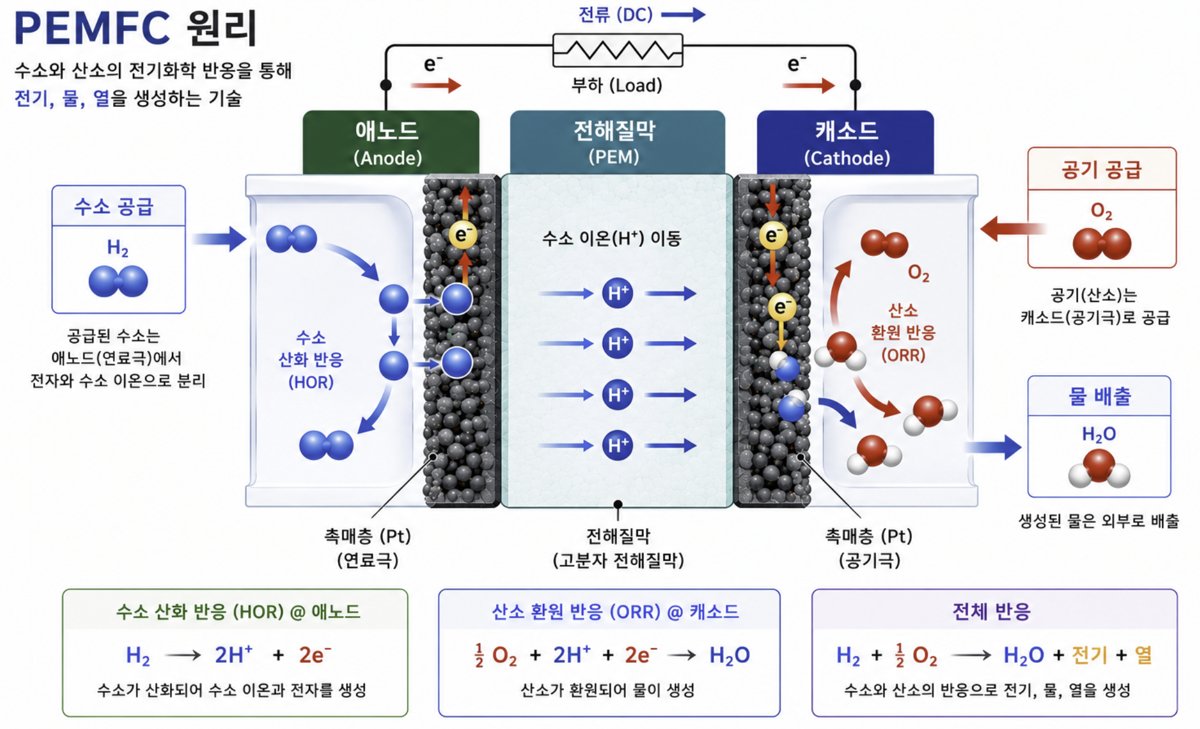
| Anode catalyst | Pt/C 0.2 mg/cm² |
|---|---|
| Cathode catalyst | Pt/C 0.45 mg/cm² |
| Operating conditions | 60 ℃ · ambient pressure |
| Performance | 1.0 A/cm² @ 0.66 V · 0.4 A/cm² @ 0.75 V |
| Durability | 1,000 hours with no degradation (1 µV/hr) — GORE-type reinforced composite membrane |

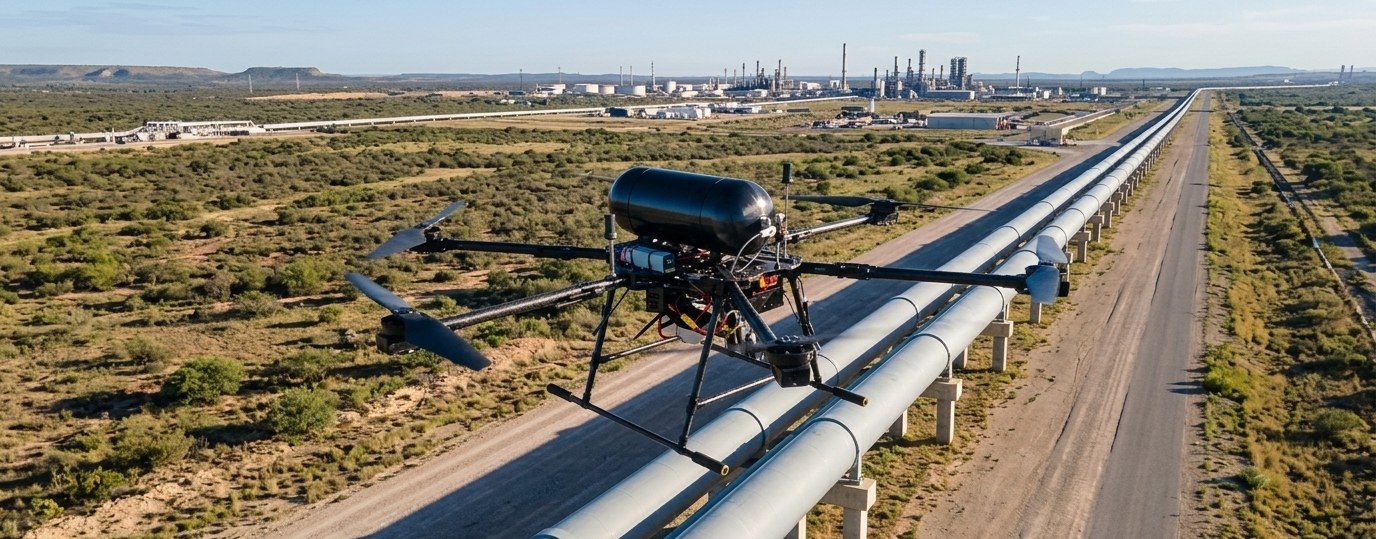
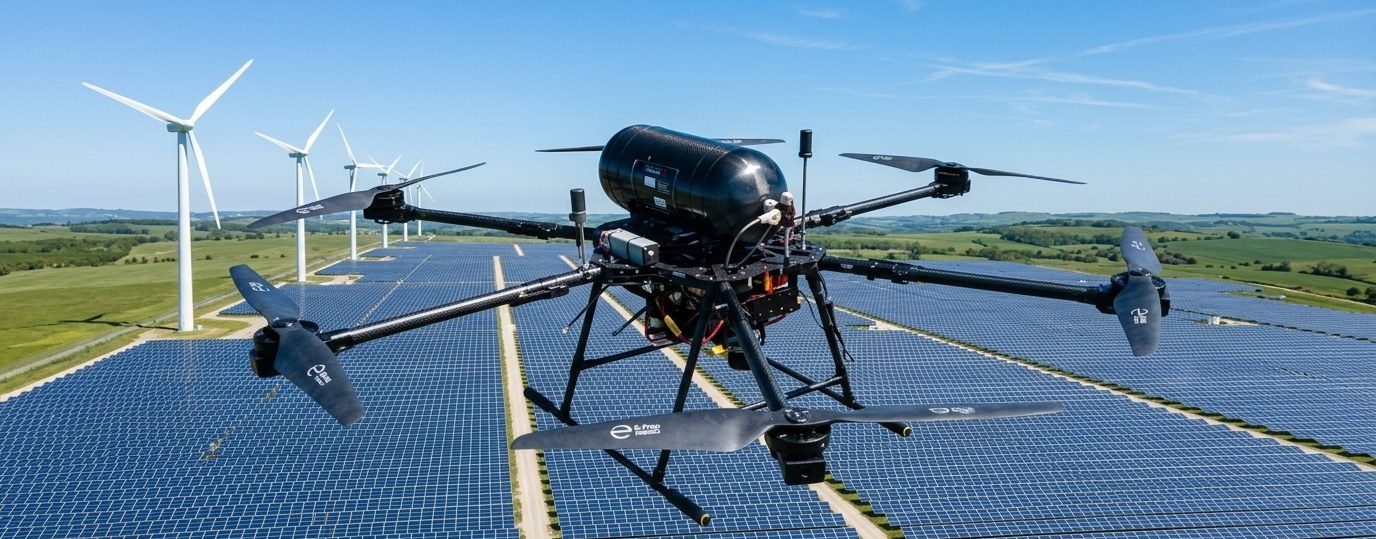
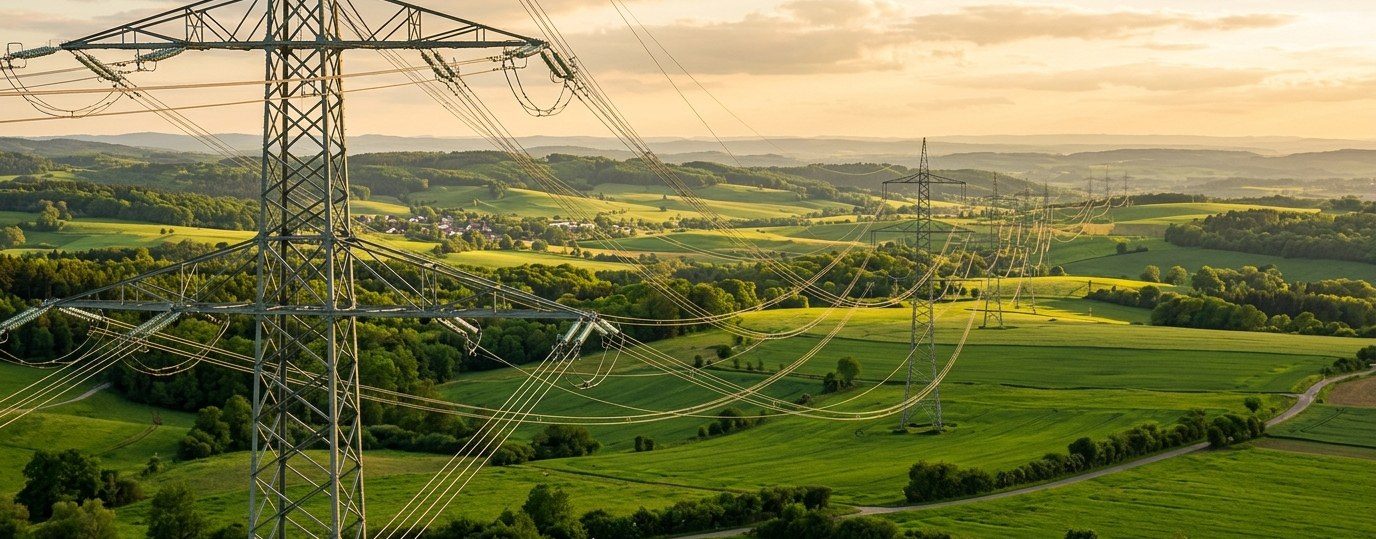
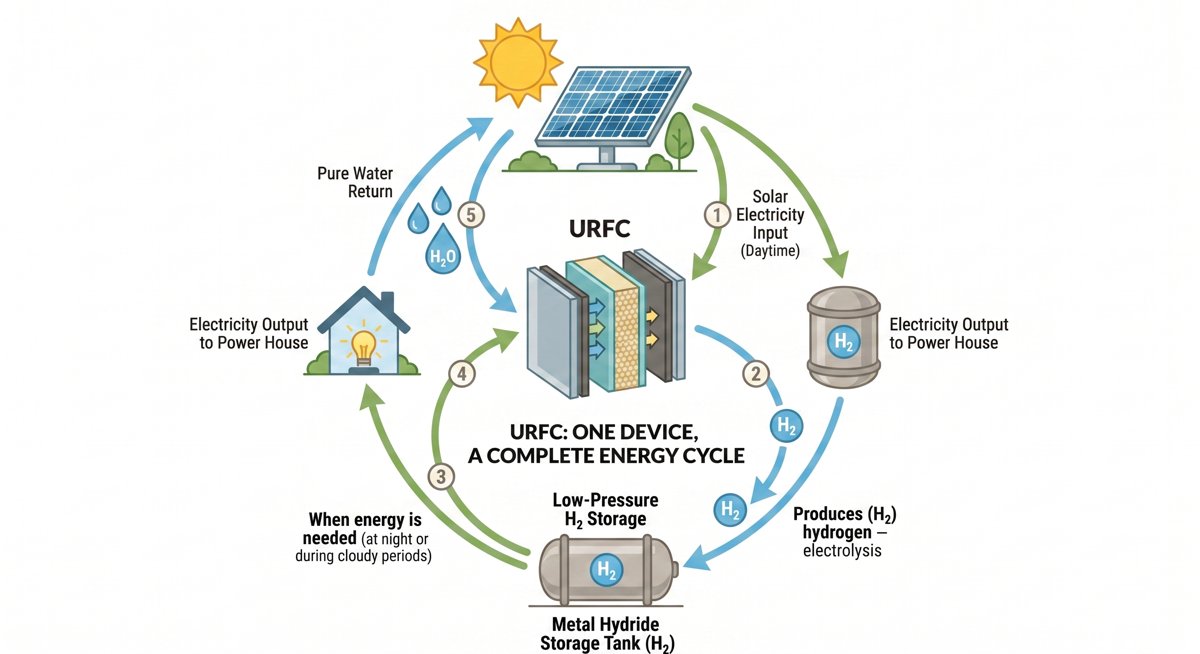
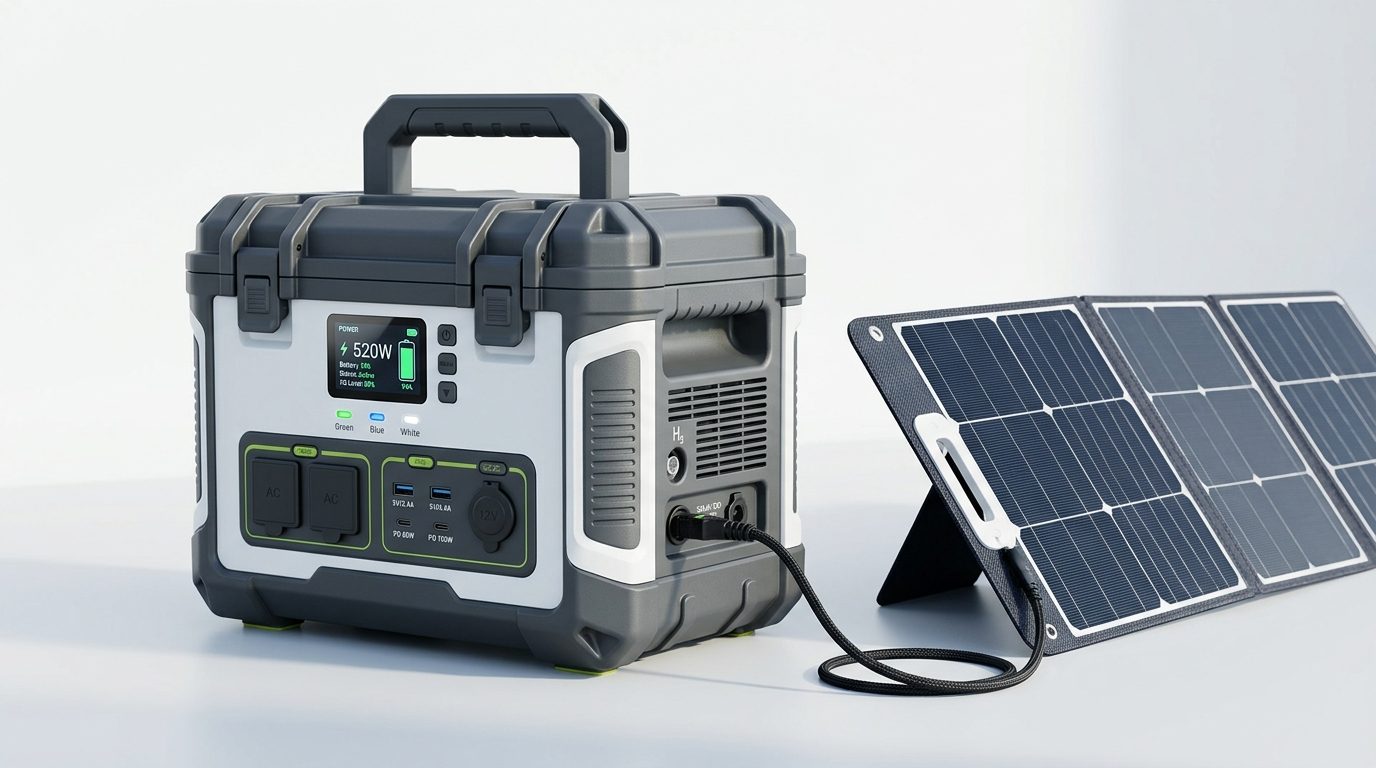
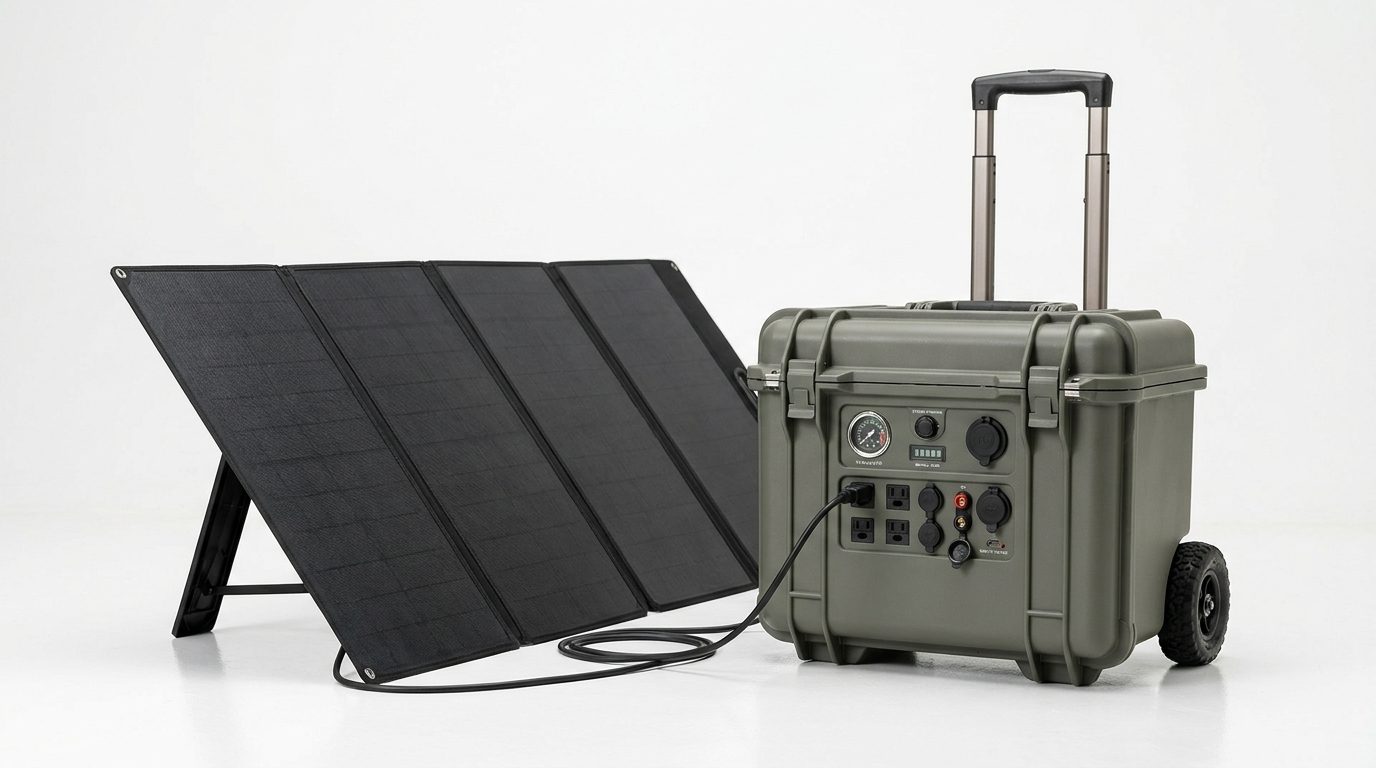
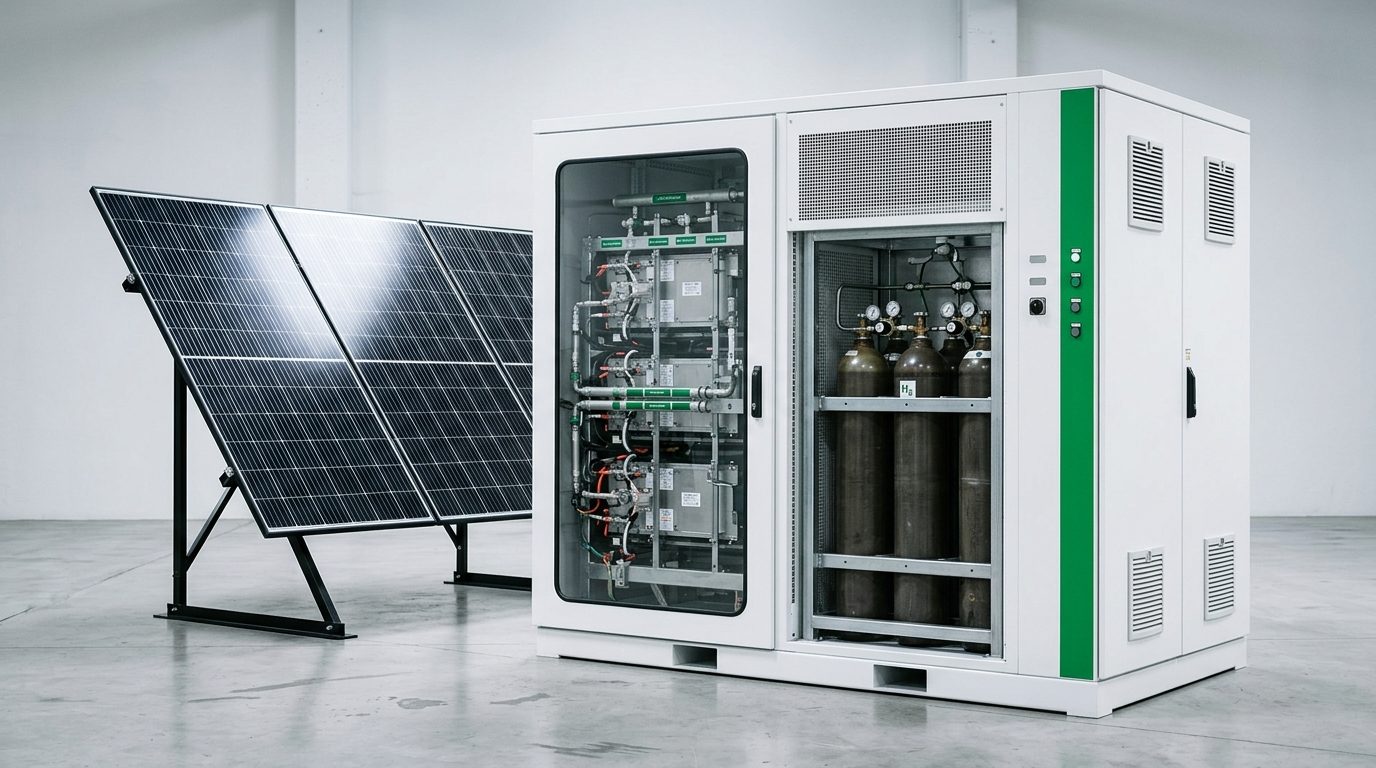
Water electrolysis (hydrogen production) and fuel cell (power generation) run bidirectionally in a single stack — by day, solar makes hydrogen, and by night, that hydrogen makes electricity. Self-sustaining, off-grid power anywhere, no transmission lines required.
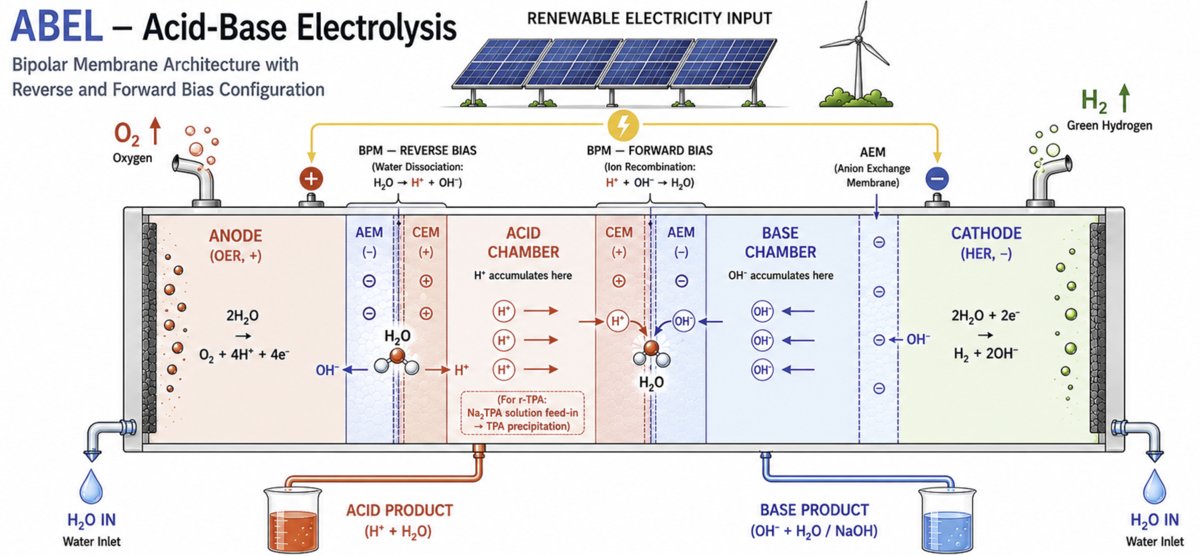
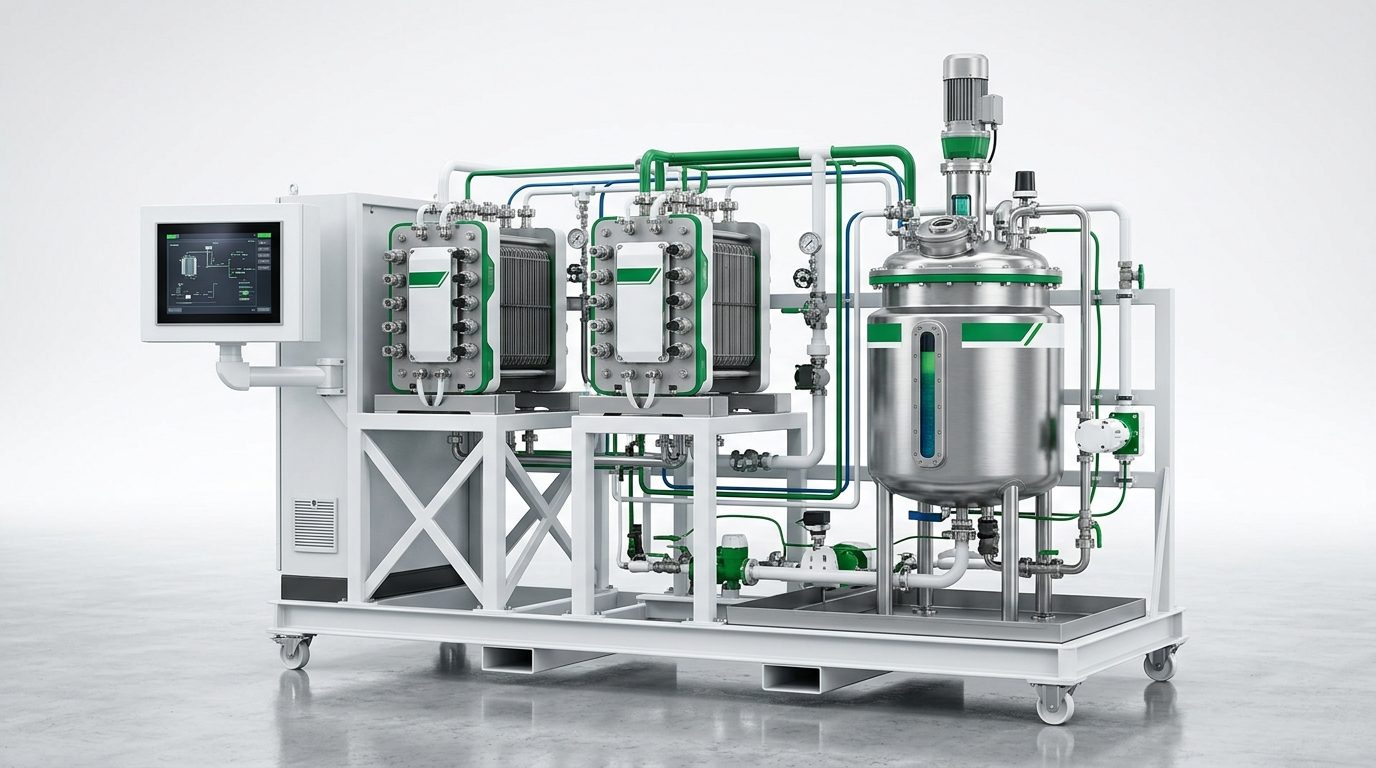
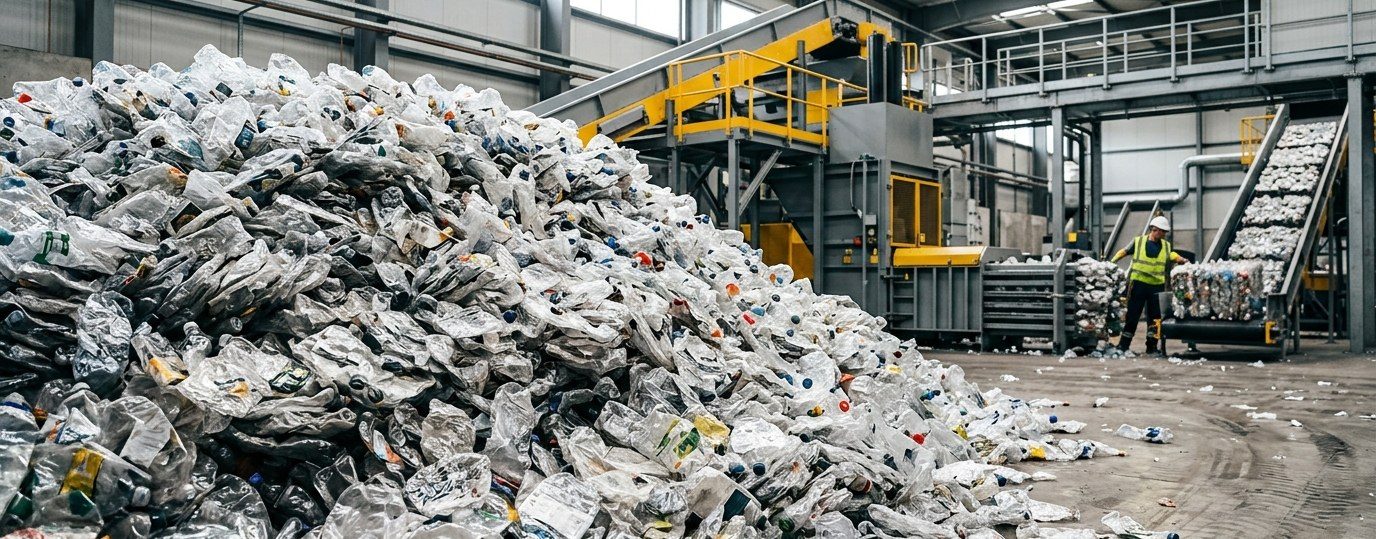
A bipolar membrane (BPM) generates acid (H⁺) and base (OH⁻) from water, with green hydrogen as a byproduct — an eco-friendly electrochemical recycling process that recovers TPA from waste PET with no sulfuric acid, no caustic soda, and no wastewater.
Joint development · component supply · system adoption — feel free to reach out about anything.